
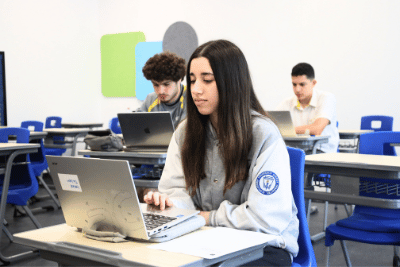
Preparing for an exam can be overwhelming especially if you do not prepare early and start cramming. Effective studying strategies can help you change that habit and added benefits like increased confidence, focus and retention improved, and a reduction of stress from exams. These 5 study tips will help you prepare for any exams you have may it be your finals or SATs. If you are wondering how to prepare for exams without last-minute stress, the right study strategy can help you revise better, stay focused, and feel more confident before exam day.
Break Down the Syllabus Early
The exam syllabus will provide you with the specific topics covered in the upcoming exams. Preparing for them weeks in advance will be beneficial for you and here are some study tips for you.
Identifying the topics that will pop up in the exam will help you stay efficient knowing what topic you need to focus on studying. Prioritizing challenging subjects gives you more time to revise and ask advice on parts of the subject you find difficulty. Setting weekly mini goals can keep your study organized, focused and the study load lower, helping you avoid burnout. Tracking your progress will help you stay motivated and maintain your study habit until you reach your exam days.
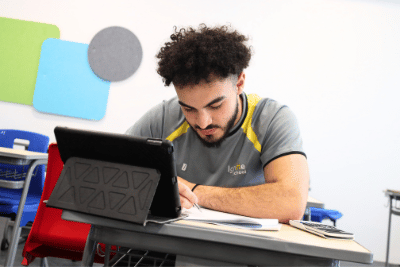
Create a Realistic Exam Revision Schedule
Creating a timetable for your studying can help you schedule all your activities till the exam and maintain study-life balance. A well-planned exam revision schedule is one of the most effective study strategies for students and helps students understand how to create a realistic revision schedule.
• Setting weekly revision goals can keep you focused on studying your targeted topic.
• Remain consistent with your schedule for this will help you maintain your aimed study preparedness and reach your revision goals.
• Avoid burnout by having it balanced with personal, extracurricular activities and breaks keeping you fresh in your exam study journey.
Organize Study Materials Before You Start
Organizing your study materials will help you save your time and keep your productivity high. This includes gathering all necessary books, notebooks, and computers so all sources are ready. Keeping your digital folders organized makes navigating your study files easier. Using flashcards and summary sheets adds more engagement and keeps you fresh with your study topics for the exam. And keeping your study space tidy makes your productivity higher.

Understand the Topic Before Memorizing
Memorizing the lessons will just make your effort on studying temporary and keeping its retention low. It is better to build a foundation by understanding the topic you are studying. As Albert Einstein said, “Any fool can know. The point is to understand.” This shows that even our great minds find understanding much more valuable than just knowing and memorizing. You can start understanding by connecting ideas for the topic you are learning; this will make your topic personalized which will help the topic stay in your mind.
Utilization of mind maps and diagrams makes it easier to understand through visualization and analyzed summary. Explaining the concept of the topic with your teacher can help you have a deeper understanding and analysis. This also supports effective study techniques and helps students learn how to study for exams without relying only on memorization.
Practice with Purpose Before Exam Season
Studying the topic for weeks can be good but a next level to that is to actually practice with purpose about the topic which can help you prepare more for the final weeks of exam preparations. It is expected that you have already studied for weeks and utilized the other study tips given to you. This practice will not only refresh your mind on the topics you studied but also give you confidence once you are in the actual exam. Here are some things you can do to practice for your exam.
• Utilize artificial intelligence to create a practice exam by putting your syllabus as the reference. This will help you generate your practice paper fast and also keep the answers for it without your knowledge. An alternative to this is to find a friend or classmate that you can work with by exchanging practice papers you have created.
• Reviewing mistakes is essential because this will help you identify points that you still need to focus on studying and help you avoid making that mistake in the actual exam.
• Track your improvement because the overall goal for your practices is to improve your knowledge and growth. This will not only help you stay motivated but also confident when answering the actual exam.
(This section also supports how to avoid cramming and improves study strategies for students.)

Final Thoughts
Always remember that studying for your exams is not only for you to pass or get higher grades. It’s to improve your knowledge and self through your understanding and mastery of the subject. Studying smarter by planning ahead, scheduling study time, understanding rather than memorizing, and practicing with a purpose will surely help you approach your exams with confidence and focus with the achievement of reaching your academic goals. This is a key part of learning how to prepare for upcoming exams effectively.
FAQ Section:
When should students start preparing for exams?
Several weeks like 4 to 5 before the exam would be best because starting early gives more opportunities and time to review the lessons in detail and identifying weak points. This will also help reduce urgency stress.
How many hours should a student study each day before exams?
Studying works differently for every student. What is important is consistency of daily study sessions with breaks instead of long periods of cramming, which is less effective.
How can students stay motivated during exam preparation?
Setting SMART goals and tracking progress via self-practice and checklisting. Also celebrating small achievements can be a driver for motivation and can keep students motivated.
What is the best way to prepare for exams?
Combining revision planning, understanding rather than memorizing, and consistently practicing with exam-like questions is the best way to prepare for exams.