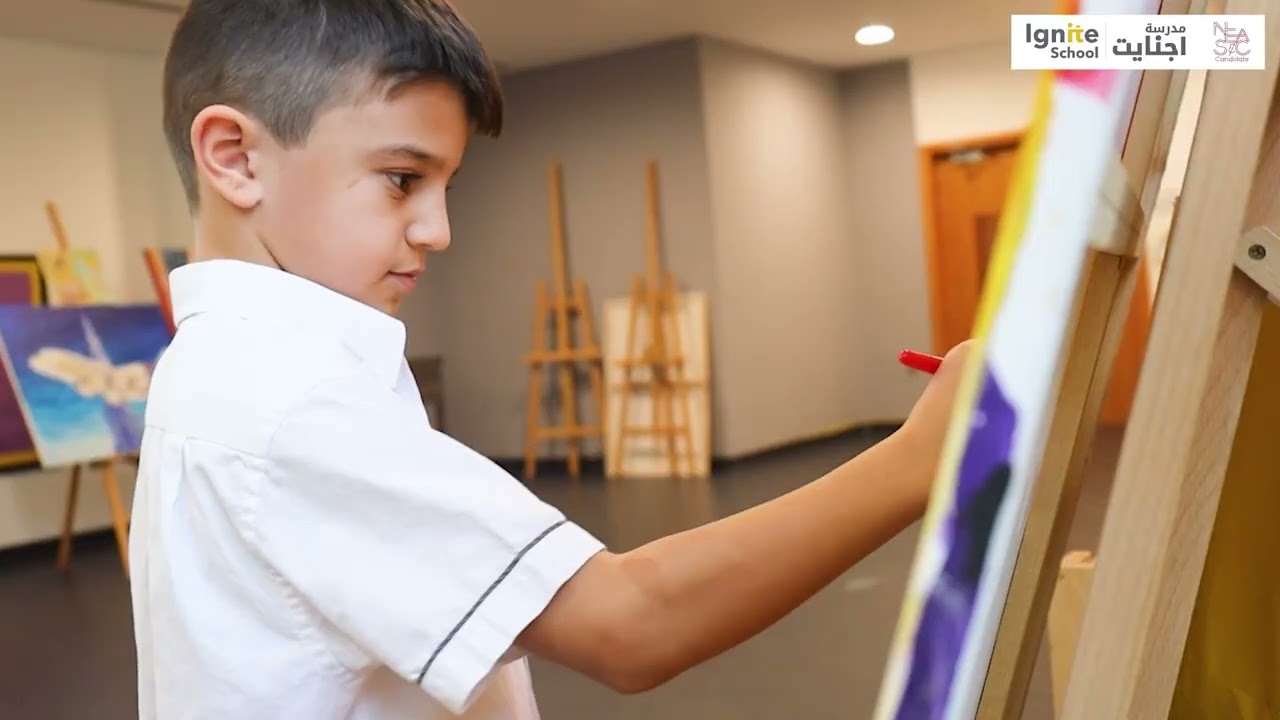
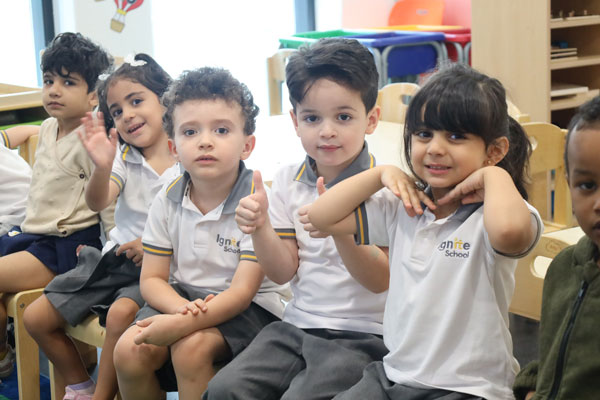
The transition to kindergarten is an exciting rite of passage. It represents a major milestone not only for your little one but also for you! And naturally, you’re going to be thinking a lot about “is my child ready for kindergarten?” and kindergarten readiness!
Often, we picture school readiness skills as being able to count to one hundred or know our ABCs by heart, but many factors of readiness for school have little to do with the academic school curriculum.
Kindergarten readiness entails more than just letter or number recognition! It means a combination of social, emotional, communication, physical and independent skills that allow our children to thrive in the school environment and feel confident and ready for this next adventure. Confident, curious and eager-to-learn children are successful early learners. It is important to remember that all children grow and develop differently, and comparing them to anyone else only sets them up for disappointment.
So if your child is displaying some of the following characteristics and it feels as though they have school readiness skills and ready for the next step, you can continue reading…
What Does Kindergarten Readiness Mean?
Kindergarten readiness means developing the abilities that help a child to adapt to and thrive in an early childhood education environment. Such abilities include effective communication of needs and wants, following simple routines, interacting with peers and adults, managing emotions, and engaging in new learning opportunities.
These school readiness skills are an important part of helping children feel confident as they begin kindergarten. Please keep in mind that your child does not have to “master” all the areas listed below before they begin Kindergarten.
Children learn and grow in various stages and not demonstrating all of these signs is by no means an indication that your child is not ready for Kindergarten.
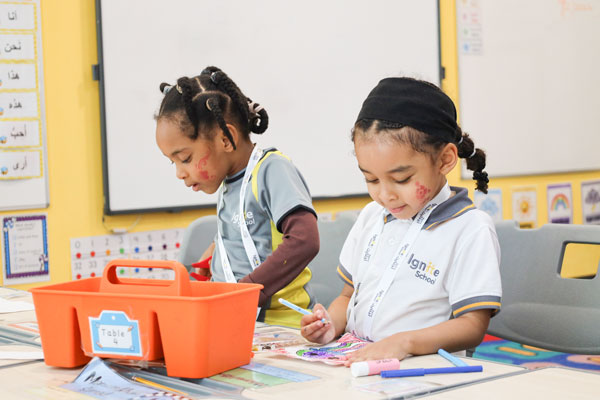
5 Signs Your Child Is Ready for Kindergarten
1. Your Child Can Follow Simple Directions
Can your child follow a sequence of directions like “Please put shoes away, wash hands, and then come to the table”?
When children are able to follow a classroom’s directives, they can participate in activities more effectively and gain a sense of comfort with learning in a new environment.
These skills could range from participating in daily classroom routines such as picking up toys, tidying after playtime, to executing simple tasks under instruction.
2. Your Child Shows Interest in Letters and Numbers
Although children do not need to know how to read and write or count to 100 prior to attending Kindergarten, demonstrating an interest in recognizing letters, understanding their written name, or counting familiar objects signals a budding understanding of early literacy skills and numerics.
Your child might also enjoy book-sharing, pointing out letters they recognize or ask about words and numbers.
A desire to learn the material matters much more than what your child already knows!
3. Your Child Can Communicate Their Needs
When your child can verbalize their thoughts and needs, it makes communicating with their teacher and classmates so much easier.
A child who can feel comfortable expressing needs such as needing help is more confident in navigating the social dynamics of a classroom and can initiate communication more freely.
A child’s ability to tell a teacher if they need assistance, what and how they are feeling, or ask questions if they don’t understand is vital for kindergarten success.
These communication abilities also support social and emotional readiness for kindergarten by helping children build relationships and feel comfortable expressing themselves.
4. Your Child Can Complete Simple Tasks Independently
Children typically grow more independent in small things like dressing themselves or tying their shoes as they get closer to Kindergarten.
When your child can confidently manage simple everyday tasks, such as unzipping their coat, opening their lunchbox, or putting their belongings in the appropriate space, it empowers them with confidence.
Other common signs of independence include managing self-toileting, washing hands independently, holding a pencil, or using safety scissors.
These skills are an important part of kindergarten preparation as children learn to manage daily classroom routines.
5. Your Child Enjoys Playing, Exploring and Learning
Our last, and perhaps, most telling indicator of a child’s kindergarten readiness? Your child’s general disposition.
Do they naturally inquire, pose questions, pay attention when you read aloud?
Do they approach new experiences, new friends, and opportunities with enthusiasm? Are they keen on trying new arts and crafts or working with various materials?
Many social and emotional development aspects are prerequisite for kindergarten.
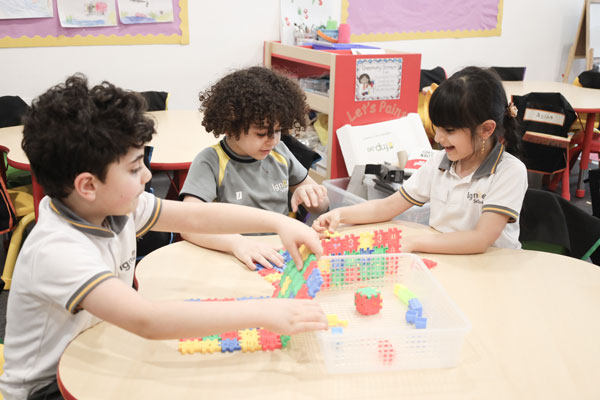
Through play, children acquire crucial social competencies such as sharing, taking turns, cooperative efforts, and adhering to behavioral expectations during playtime.
These skills form an important part of social and emotional readiness for kindergarten. Many children learn these competencies once in Kindergarten, but it is always helpful when they’ve already begun building them!
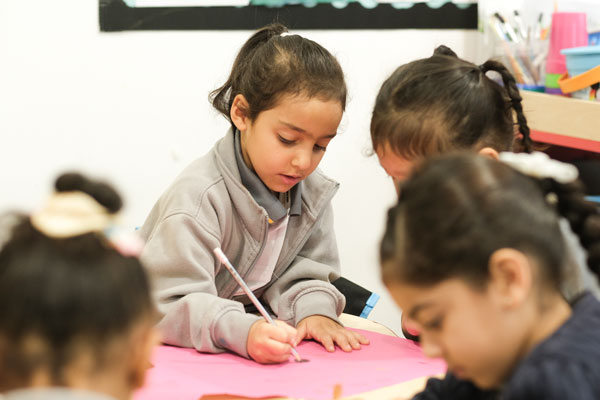
What If My Child Is Not Ready for Kindergarten Yet?
As we know, children develop and learn at their own pace, and readiness for kindergarten varies by child.
If your child isn’t showing signs in all of the areas listed above, that does not necessarily imply that they won’t be successful.
This kindergarten readiness checklist is intended as a helpful guide rather than a formal assessment. Every child develops differently, and one missing skill does not mean they are not ready to begin school.
You can continue supporting your child with their development in several ways: Continue practicing classroom routines, encourage daily independence, make reading a routine part of each day, or provide plenty of time for unstructured social play and exploration.
If you are worried about any of your child’s specific developmental milestones, speaking with your child’s current kindergarten teacher or with an early-years specialist can provide the most valuable assistance.
Help Your Child Prepare for Kindergarten
The transition to kindergarten is an exciting, and by offering your child a solid foundation for learning and growth, you will prepare him/her for this new adventure.
This summer, let’s get your child started on the right track!
With our Kindergarten Kickstart Program, your child will learn about storytelling, arts, crafts, music, and early literacy skills from a native English-speaking teacher.
They will become acquainted with school routines and learn the confidence and creative flair needed to excel at school, and have fun too!
Kindergarten Kickstart Program Schedule
July 14 – August 13
Tuesdays and Thursdays
10:00 AM – 1:00 PM
Frequently Asked Questions About Kindergarten Readiness
What are the typical skill requirements for kindergarten?
Common areas include basic communication skills, the ability to function independently, social interaction abilities, good listening comprehension, and some foundational knowledge of letters and numbers.
These abilities are key parts of developing school readiness skills before starting kindergarten.
Does my child need to know how to read by kindergarten?
Not at all!
Most children don’t read on their own before starting kindergarten; rather, an interest in books, letters, and reading aloud is what is important. Developing early literacy skills through stories and conversations is a great way to support learning.
How can I help prepare my child for Kindergarten?
Practice simple directions and daily routines with your child, encourage their independence in simple tasks like dressing, spend time reading together, and provide opportunities for social play with other children.
These activities are all valuable parts of kindergarten preparation and can help children feel more confident when starting school.